
 By
By 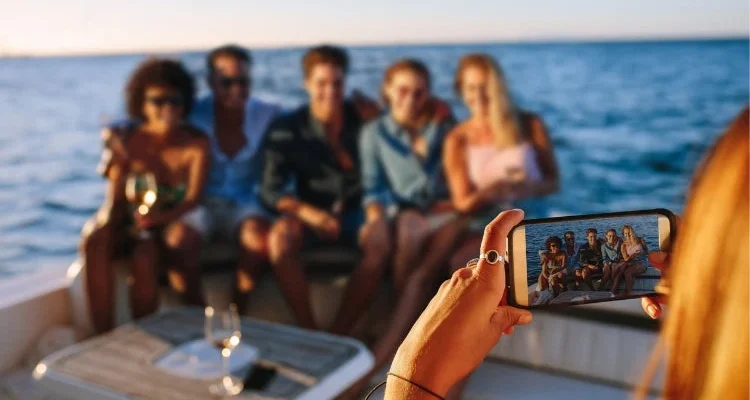
Traveling opens the door to new cultures, stunning landscapes, and unforgettable moments. Yet, as time passes, the fine details of even the most extraordinary journeys can begin to fade. Many travelers find themselves returning home with thousands of unorganized smartphone photos that never get viewed, or physical souvenirs that end up gathering dust in a drawer.
Capturing travel experiences meaningfully is about more than just documenting every minute of your trip. It involves finding a balance between staying present in the moment and preserving memories in formats that retain their emotional resonance for decades. By using creative storytelling, intentional photography, sensory preservation, and modern digital tools, you can transform fleeting vacation moments into lasting keepsakes. This comprehensive guide outlines the most effective strategies to record, preserve, and celebrate your journeys across the globe.
Moving Beyond Point-and-Shoot Photography
Almost every traveler carries a high-powered camera in their pocket. However, taking hundreds of identical snapshots of famous landmarks often leads to digital clutter rather than meaningful memories. Elevating your travel photography requires adopting an intentional storytelling approach.
Rather than aiming for sheer volume, focus on capturing the narrative and mood of each destination:
-
Capture Context and Candids: Instead of asking travel companions to pose stiffly in front of monuments, photograph them interacting with their surroundings, laughing over a meal, or navigating a busy market.
-
Focus on Small Architectural and Cultural Details: Zoom in on local textures, weathered cobblestones, hand-painted ceramic tiles, spices in open-air markets, or unique doorway designs that convey the distinct character of the region.
-
Master the Golden and Blue Hours: Schedule photography walks during the early morning sunrise or late afternoon sunset. The soft, warm light during these times enhances colors and adds emotional depth to landscape and city scenes while helping you avoid harsh midday shadows and crowded tourist spaces.
-
Frame with Compositional Rules: Use techniques like the rule of thirds, natural framing through archways or foliage, and leading lines along pathways or rivers to draw the viewer eye into the heart of the scene.
Taking fifty thoughtful, well-composed photographs during a trip will bring back far more vivid memories than scrolling through thousands of repetitive burst shots.
The Art of Travel Journaling and Micro-Writing
Writing is one of the most intimate ways to preserve how a journey felt in real time. Photographs show what a destination looked like, but the written word captures your internal thoughts, sensory impressions, and personal growth.
Many travelers abandon journaling because they feel pressured to write extensive daily essays. Shifting to flexible micro-journaling techniques makes the practice easy and sustainable throughout your itinerary.
Bullet Journaling and Quick Impressions
Keep a pocket-sized notebook with you at all times. Instead of writing long paragraphs at the end of an exhausting day, jot down quick bullet points during downtime on trains, buses, or while waiting for a meal:
-
Record snippets of conversations overheard in local cafes.
-
Note unique scents, such as roasting coffee beans, pine forests, or saltwater breezes.
-
Document funny logistical mishaps, unexpected acts of kindness from locals, or spontaneous changes of plan.
Prompt-Driven Reflections
Focus your writing on specific prompts that reveal deeper layers of the experience:
-
What was the most surprising thing I learned about this culture today?
-
What dish did I try for the first time, and how would I describe its flavor profile?
-
How did this specific landscape or historic site challenge my perspective on the world?
Rereading these raw, unfiltered entries years later will instantly transport you back to the exact emotional state you experienced on the road.
Collecting Meaningful Physical Artifacts
Souvenirs often get a bad reputation due to cheap, mass-produced trinkets sold at airport gift shops. However, curated physical mementos hold tactile power and serve as immediate conversation starters when integrated into your home decor.
To build a meaningful physical collection, choose objects with authentic roots in the local community:
-
Procure Usable Culinary Goods: Purchase regional spices, olive oils, artisanal salts, loose-leaf teas, or specialty ceramics from local markets. Cooking a traditional meal at home using authentic ingredients allows you to recreate the sensory flavors of your trip long after returning.
-
Collect Ephemera for Scrapbooking: Save paper items that tell a story, including vintage transit tickets, illustrated museum passes, hand-stamped postcards, coasters from historic taverns, and paper maps marked with handwritten walking routes.
-
Support Local Artisans: Seek out independent craftspeople, woodworkers, printmakers, and weavers. A handmade textile, a piece of studio pottery, or an original street sketch holds far more emotional value than factory-made souvenirs.
Displaying these curated artifacts throughout your living space weaves your travel history into the fabric of your daily life.
Utilizing Audio and Ambient Field Recordings
Sight is only one of the senses through which we experience a new destination. Sound is deeply connected to memory, yet it is often neglected in traditional travel documentation.
Recording short audio clips using the basic voice memo app on your smartphone captures the atmosphere of a place in a way that visual media cannot replicate:
-
Record the gentle rhythmic crash of ocean waves on a secluded beach.
-
Capture the bustling chatter, vendor calls, and clattering cookware of a night market.
-
Save the sound of church bells echoing across a historic European plaza or the morning birdsong in a tropical rainforest.
-
Record short audio reflections right after finishing a major hike or historic tour, describing your immediate reactions while your energy is still high.
Listening to these ambient soundscapes with headphones years later provides an immersive, sensory-rich experience that photographs alone cannot match.
Curating Tangible Post-Trip Keepsakes
One of the greatest hazards of digital travel documentation is that photos and notes remain trapped on hard drives or cloud servers. Giving your memories a physical, finished form ensures they are enjoyed and shared.
Dedicate time within two weeks of returning home to consolidate and curate your materials while the details are fresh in your mind:
-
Design a High-Quality Printed Photo Book: Select your top fifty to one hundred images and organize them chronologically or thematically into a custom hardcover book. Adding short journal excerpts, dates, and locations next to the photos creates a timeless coffee-table keepsake.
-
Create a Dedicated Shadow Box: Combine three-dimensional items like seashells, foreign currency coins, transit passes, matchbooks, and favorite photographs inside a wall-mounted shadow box frame.
-
Curate a Trip-Specific Music Playlist: Build a playlist featuring songs you discovered during the journey, local music played in cafes, or albums you listened to on long transit days. Playing the playlist instantly revives the mood of the trip.
Taking the time to organize your materials into finished keepsakes turns raw travel data into family heirlooms.
Frequently Asked Questions
How can I balance taking photos with staying fully present in the moment?
Set clear personal boundaries for camera use. Designate specific times during the day for photography, such as a thirty-minute window around sunset or during a morning walk. Once that window closes, put your phone or camera away in a bag and focus entirely on observing your surroundings with your own eyes. If an extraordinary scene appears, take two intentional photos, put the device away, and spend several uninterrupted minutes absorbing the view.
What is the best way to back up travel photos and videos while on the road?
Implement the three-two-one backup rule. Keep your primary copies on your camera memory card or phone, maintain a daily automatic backup to a secure cloud storage provider when connected to hotel Wi-Fi, and carry a compact, rugged external solid-state drive to store manual backups offline. This multi-layered approach protects your memories against device theft, damage, or corrupted memory cards.
How do I document travel experiences if I do not enjoy writing long journal entries?
Opt for visual and voice-based documentation methods. Use short voice memos to record sixty-second verbal recaps of your day while getting ready for bed. Alternatively, create a sketch-based journal with quick doodles, stick paper ephemera onto blank pages with a glue stick, or record ten-second daily video snippets that can be stitched together into a brief summary video at the end of the trip.
What are the most practical travel souvenirs that do not take up luggage space?
The most space-efficient souvenirs are paper ephemera, local recipe cards, jewelry from neighborhood craftspeople, fabric patches, vintage postage stamps, and flat art prints. These items weigh virtually nothing, slip easily into document folders or luggage side pockets, and carry deep sentimental value.
How can families capture travel memories involving young children?
Involve children directly in the documentation process by giving them disposable film cameras or child-friendly digital cameras to capture their unique perspectives. Encourage them to collect paper postcards, ticket stubs, and pressed leaves to glue into a travel activity book. Additionally, record short video interviews asking them what their favorite part of the day was, preserving their childhood voices and reactions.
What should I do with thousands of unorganized travel photos from past trips?
Start by organizing your photos into broad folders labeled by year and destination. Avoid the overwhelming task of sorting every single image at once; instead, run a quick cull pass where you delete obvious duplicates, blurry shots, and accidental screen captures. Next, favorite your top twenty-five images from each trip and place them into a Best Of album, which can then be used to create physical photo albums or digital slideshows.
How does learning about local history beforehand enhance how you capture a destination?
Researching a destination history, folklore, and architectural heritage before arriving gives you contextual awareness. Instead of viewing a cathedral or monument as a generic photo backdrop, you understand the cultural significance, hidden symbols, and architectural movements behind it. This knowledge allows you to focus your writing and photography on specific details that represent the authentic history of the region.






Comments