
 By
By 
Motherhood changes everything, including the way you approach fitness. After pregnancy and childbirth, many mums want to return to exercise to feel stronger, restore confidence, and regain energy. However, jumping straight back into intense workouts can lead to setbacks or injury. The right environment, such as a personal training gym singapore, provides structured guidance that helps post-natal mums recover safely while gradually rebuilding strength.
A personalised plan is essential because no two recoveries are alike. Trainers who understand the unique needs of post-natal clients focus on core stability, pelvic floor strength, gradual progression, and long-term sustainability. With careful coaching, new mums can restore fitness while still balancing the demands of family life.
Understanding the Post-Natal Recovery Timeline
Diastasis Recti and Core Healing
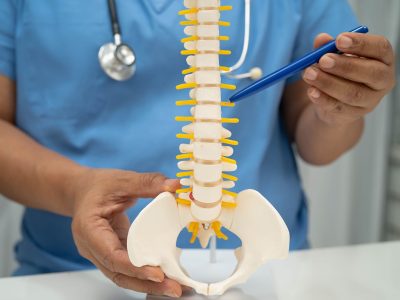
Many new mums experience diastasis recti, a separation of the abdominal wall. Ignoring this issue can worsen lower back pain and slow recovery. Trainers assess core function and prescribe safe exercises like heel slides, dead bugs, and controlled breathing patterns to restore stability before advancing to harder lifts.
Pelvic Floor Considerations
The pelvic floor muscles are often weakened after pregnancy. Without proper training, this can lead to discomfort or leakage during exercise. A quality personal training gym Singapore incorporates pelvic floor activation drills early in the programme, ensuring pressure is managed during lifting and daily activities.
Gentle Phasing of Workouts
The timeline for resuming exercise differs depending on delivery type and healing speed. Trainers create phased plans where mums begin with walking and gentle mobility, gradually adding strength-based movements over weeks and months. This ensures the body adapts without excessive strain.
Strength Essentials for Months 1 to 3
The first phase of post-natal fitness should focus on re-establishing movement patterns and regaining confidence.
-
Breath-Led Core Work: Techniques that connect breathing with core engagement reduce strain on healing tissues.
-
Hip Hinge Patterns with Resistance Bands: Early posterior chain training builds glute and hamstring strength safely.
-
Stroller-Friendly Conditioning: Walks with the baby become an effective, low-stress way to restore cardiovascular fitness.
Progression During Months 4 to 6
Once foundational strength is rebuilt, many mums are ready to reintroduce compound lifts. Trainers carefully monitor form to ensure the core and pelvic floor remain stable.
-
Light Squats and Deadlifts: Performed with strict control to retrain proper lifting mechanics.
-
Upper Body Push and Pull Movements: Helps mums manage the physical demands of carrying a growing baby.
-
Conditioning Circuits: Short but efficient workouts that improve stamina without excessive fatigue.
Months 6 to 12, Returning to Full Strength
At this stage, most mums can expand their training variety. Trainers include a mix of strength, mobility, and conditioning that suits long-term goals.
-
Progressive Overload: Slowly increasing weights to regain strength.
-
Hybrid Workouts: Circuits that combine strength and aerobic drills for efficiency.
-
Lifestyle Integration: Coaching that fits workouts into busy routines while managing childcare.
Nutrition for Recovery and Energy
Post-natal nutrition is about fuelling recovery, supporting breastfeeding if relevant, and restoring energy. Trainers provide practical guidance, often focusing on:
-
Adequate protein intake for muscle repair.
-
Iron-rich foods to combat fatigue.
-
Hydration strategies, especially important for breastfeeding mums.
-
Meal prep tips to balance family demands with nutrition needs.
Mental Health and Confidence
Beyond physical changes, many post-natal mums struggle with self-image and confidence. A supportive training environment encourages gradual wins, shifting focus from appearance to strength, energy, and capability. This approach helps mums rebuild a positive relationship with their bodies.
Real Case Study, The 32-Year-Old Mum
A 32-year-old client joined a personal training gym Singapore three months after giving birth. With tailored programming, she began with breathing drills and light band work. Over 16 weeks, she progressed to controlled squats, pushups, and kettlebell carries. The improvements in posture, strength, and energy transformed her daily life, making childcare easier and boosting her confidence in social settings.
How to Choose the Right Post-Natal Trainer
Not all personal trainers have experience with post-natal recovery. When selecting a gym or trainer, look for:
-
Experience with post-natal clients and proven results.
-
Sensitivity to both physical and emotional needs.
-
Ability to design flexible programmes around unpredictable schedules.
-
A focus on sustainable progress instead of rushing into high-intensity workouts.
These qualities make training safe, supportive, and effective.
Why Guided Training Makes the Difference
Self-directed workouts can be risky after childbirth, especially without understanding the body’s current state. Gyms like TFX provide structure, accountability, and reassurance that every session is appropriate for your stage of recovery. This guidance makes fitness less intimidating and more sustainable in the long run.
FAQs
Q. How soon after childbirth can I start training?
Most mums can begin gentle movement within weeks, but clearance from a healthcare professional is essential before structured training.
Q. Can I exercise while breastfeeding?
Yes. Exercise does not affect milk supply as long as nutrition and hydration are managed. Trainers often adapt workouts to energy levels during this phase.
Q. What if I had a C-section?
Recovery may take longer, and core training will need to be carefully modified. A trainer with post-natal experience will know how to progress safely.
Q. Do I need childcare at the gym?
Some gyms offer childcare options, while others design home-based workouts for days when leaving the house is challenging. Trainers can adapt to your circumstances.
Q. How long before I feel “back to normal”?
It varies widely, but most mums report better energy, improved posture, and strength gains within three to four months of consistent training.





Comments