
 By
By 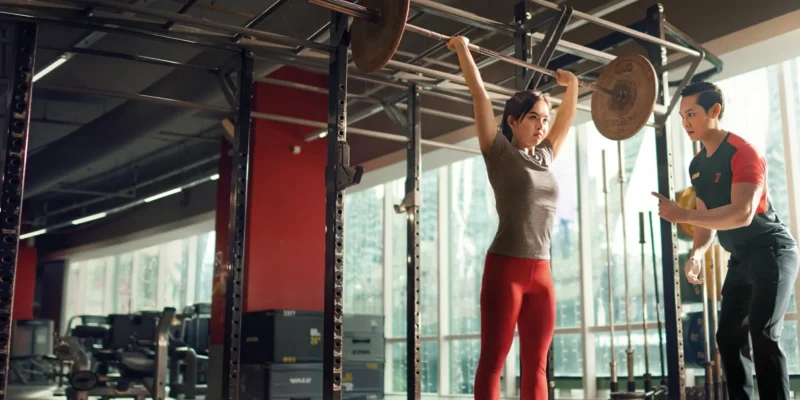
Singapore has officially entered a new demographic era. As a super-aged society, with more than one in five citizens aged 65 years and above, the nation faces unique challenges and opportunities in healthcare and community wellbeing. The conversation around healthy ageing has shifted from simply adding years to life to adding life to years. This is where the role of a personal fitness trainer singapore becomes not just relevant, but essential. Personal training for seniors is moving beyond the domain of athletic performance into the critical realm of preventative healthcare, functional independence, and sustained quality of life.
The statistics paint a clear picture. As Singapore’s population ages, the prevalence of age-related conditions such as sarcopenia, osteoporosis, and balance disorders increases. Sarcopenia, the progressive loss of muscle mass and strength, begins as early as age 30 and accelerates after 60. This loss directly impacts a person’s ability to perform daily tasks, from carrying groceries to getting up from a chair. Osteoporosis weakens bones, making falls potentially catastrophic. A fall that might cause a minor bruise in a younger person can result in a hip fracture for an older adult, leading to hospitalisation, loss of mobility, and a rapid decline in overall health. Personal training offers a scientifically proven intervention against these threats.
Combatting Sarcopenia with Targeted Resistance Training
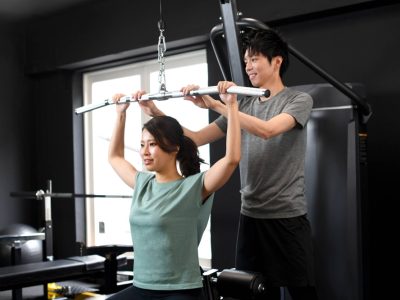
The most effective weapon against age-related muscle loss is resistance training, and this is precisely what a qualified personal trainer delivers. Unlike general group exercise classes that may not account for individual limitations, personal training provides a tailored approach to building and preserving muscle. The trainer assesses the client’s current strength levels, identifies weaknesses, and designs a progressive program that safely challenges the muscles to adapt and grow.
For an older adult, this might begin with bodyweight exercises to establish foundational stability. From there, the trainer gradually introduces resistance bands, light dumbbells, or weight machines, always prioritising perfect form over heavy loads. The focus is on compound movements that mimic real-life activities. Squats become practice for getting in and out of chairs. Rows strengthen the back for lifting grandchildren or carrying shopping bags. Overhead presses maintain the ability to reach items on high shelves.
The benefits extend far beyond muscle size. Stronger muscles provide better support for joints, reducing the pain and stiffness associated with osteoarthritis. They also improve glucose metabolism, helping to manage or prevent type 2 diabetes, a condition of significant concern in Singapore. By working with a personal fitness trainer singapore, older adults invest in a physiological buffer against the declines that once seemed inevitable.
Building Bone Density and Preventing Falls
Perhaps the most immediate and life-changing benefit of personal training for seniors is fall prevention. The fear of falling can be as debilitating as a fall itself, causing older adults to restrict their activities, which in turn leads to further muscle weakness and social isolation. A personal trainer breaks this cycle by directly addressing the three key components of fall risk: balance, strength, and gait.
Balance training is a core component of any program for older clients. Trainers incorporate exercises that challenge the body’s stability systems in safe, controlled ways. This might include single-leg stands, tandem walking, or exercises on unstable surfaces with close supervision. As balance improves, the client gains confidence in their movement, reducing the fear that keeps them homebound.
Simultaneously, weight-bearing exercises stimulate bone remodelling, increasing bone density and reducing fracture risk. Activities like walking lunges, stair climbing, and light jumping exercises, when performed correctly and progressed appropriately, send signals to the body to strengthen the skeletal structure. The trainer’s expertise ensures that these exercises are performed with precise form to maximise the bone-building stimulus while protecting the joints.
Gait training addresses the way a person walks. As people age, their stride may shorten, their posture may stoop, and their foot clearance may decrease, all of which increase fall risk. A trainer observes these patterns and implements drills to improve walking mechanics, encouraging a longer stride, an upright posture, and better foot placement. The result is a safer, more efficient, and more confident walker.
Functional Independence and Daily Living
The true measure of successful ageing is not how much weight someone can lift in the gym, but how easily they can live their life outside of it. This concept, known as functional fitness, is the guiding philosophy behind training for older adults. Every exercise prescribed by a skilled personal trainer has a direct application to daily living.
Consider the simple act of getting up from the toilet or a low sofa. This requires leg strength, core stability, and balance. A trainer addresses this through targeted squat variations and core exercises. Carrying a heavy load of groceries from the car to the kitchen requires grip strength, biceps endurance, and postural control. Rows, farmer’s carries, and deadlifts build precisely these capacities. Playing with grandchildren on the floor requires the ability to get down and up again safely. Trainers practice floor transfers and mobility drills to make this possible.
This focus on function preserves dignity and autonomy. An older adult who can bathe, dress, shop, and clean without assistance maintains control over their life and environment. They are not a burden on their children or the healthcare system. They remain active participants in their families and communities. The personal trainer is the architect of this independence, building a body capable of supporting the life the client wants to live.
Mental Sharpness and Social Connection
The benefits of personal training for seniors extend beyond the physical into the cognitive and emotional realms. Learning new exercise sequences, coordinating movements, and focusing on form provides valuable mental stimulation. Research consistently shows that physical activity, particularly complex movements that require coordination, supports cognitive health and may delay the onset of dementia.
Furthermore, the one-on-one relationship with a trainer provides essential social connection. For seniors who may live alone or have limited social circles, their training sessions become a highlight of the week. The trainer offers not just instruction but genuine companionship and encouragement. This social interaction combats loneliness and depression, which are significant health risks for the elderly population. A facility like True Fitness Singapore offers a welcoming community atmosphere where seniors can feel comfortable and supported in their fitness journey.
The trainer also serves as a health monitor, noticing subtle changes in the client’s strength, mobility, or energy levels that might warrant a conversation with a doctor. This early warning system can catch developing health issues before they become serious, adding another layer of protection to the client’s wellbeing.
FAQ
Q: Is it safe for someone over 70 with knee arthritis to start personal training?
A: Yes, with the right professional guidance. A qualified trainer designs programs that strengthen the muscles around the knee, providing better joint support and potentially reducing pain. They avoid high-impact movements and focus on controlled, pain-free exercises that improve function without aggravating the condition.
Q: My father has never exercised in his life. Is it too late for him to benefit from a personal trainer?
A: It is never too late to start. Studies show that even individuals in their 80s and 90s can gain significant strength and mobility from resistance training. The key is starting slowly with a professional who understands how to work safely with beginners and build confidence gradually.
Q: How many sessions per week are ideal for an older adult starting personal training?
A: Most seniors see excellent results with two sessions per week. This frequency provides sufficient stimulus for strength gains while allowing adequate recovery between sessions. Some clients add a third session or supplement with independent walking on other days for additional cardiovascular benefits.
Q: What specific qualifications should I look for in a trainer for an elderly parent?
A: Look for trainers with certifications in senior fitness or corrective exercise. Experience working with older adults is valuable, as is knowledge of common age-related conditions like arthritis, osteoporosis, and balance disorders. A good trainer will also communicate clearly with your parent’s doctor when necessary.





Comments