
 By
By 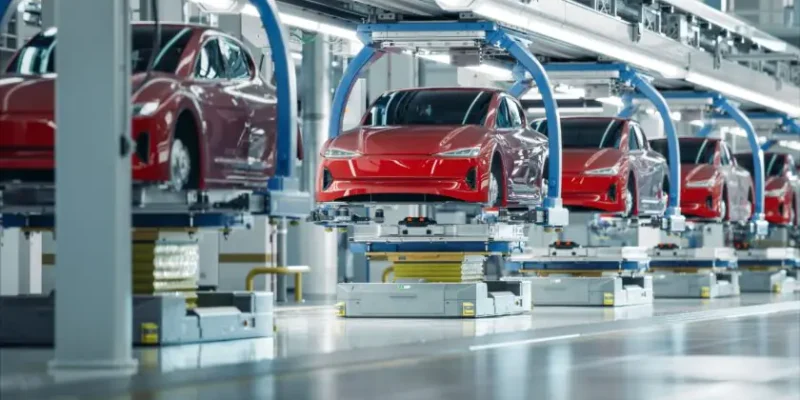
The auto industry has evolved tremendously since the invention of the first automobile. From Henry Ford’s assembly line innovations to today’s electric vehicles and autonomous cars, the industry has shaped global economies, urban planning, and daily life. The automotive sector includes passenger vehicles, commercial vehicles, auto parts, and after-sales services. Its dynamic nature requires manufacturers, consumers, and investors to stay informed about trends, technologies, and regulations affecting the market.
Understanding Different Types of Vehicles
In the modern auto landscape, vehicles can be categorized into various types based on purpose, fuel, and design:
- Passenger Vehicles: Sedans, hatchbacks, SUVs, and crossovers are the most common for personal use. Each category offers unique advantages—sedans for fuel efficiency, SUVs for space and off-road capability, and hatchbacks for urban convenience.
- Electric Vehicles (EVs): EVs are revolutionizing the market with sustainability and low running costs. Popular EV models include fully electric and plug-in hybrid vehicles, each catering to different consumer needs and budgets.
- Commercial Vehicles: Vans, trucks, and buses support logistics, public transportation, and freight services. Innovations like autonomous trucks and smart fleet management are transforming the commercial segment.
- Luxury Vehicles: High-end vehicles from brands like Mercedes-Benz, BMW, and Tesla offer advanced technology, performance, and comfort. Luxury cars often lead in safety and automation features.
Key Innovations Driving the Auto Industry
The automotive sector is heavily influenced by technological advancements, regulatory pressures, and consumer preferences. Key innovations shaping the industry include:
- Electric and Hybrid Technology: EV adoption is growing rapidly worldwide. Governments incentivize green vehicles to reduce carbon emissions, and automakers are investing in improved battery technology and charging infrastructure.
- Autonomous Driving: Self-driving cars are becoming a reality, with features like lane-keeping, adaptive cruise control, and automated parking. Companies like Waymo, Tesla, and Cruise are at the forefront of autonomous mobility.
- Connectivity and Smart Features: Modern vehicles integrate infotainment systems, IoT connectivity, and AI-driven analytics. Features like real-time navigation, predictive maintenance alerts, and in-car entertainment enhance the driving experience.
- Safety Enhancements: Advanced safety technologies include automatic emergency braking, blind-spot monitoring, adaptive headlights, and driver-assist systems. These innovations reduce accident risks and improve overall road safety.
- Sustainable Manufacturing: Automakers focus on eco-friendly materials, recyclable components, and reduced energy consumption in production processes. Sustainability is becoming a core aspect of brand reputation.
Tips for Buying a Vehicle
Purchasing a car involves more than choosing a model; it requires evaluating finances, usage, and future needs. Here are key considerations:
- Assess Your Needs: Determine whether you need a vehicle for city commuting, long-distance travel, or heavy cargo. SUV models are versatile for families, while hatchbacks suit urban commuters.
- Fuel Efficiency and Total Cost of Ownership: Analyze fuel consumption, maintenance, and insurance costs. Electric vehicles, though costlier upfront, may save money in the long term.
- Safety and Reliability: Check safety ratings from reputable sources. Reliability ratings and customer reviews provide insight into long-term ownership experience.
- Financing Options: Explore leasing, bank loans, or manufacturer financing. Consider interest rates, loan terms, and resale value to make informed decisions.
- Test Drive: Never buy without a test drive. Evaluate comfort, visibility, braking, handling, and technological features.
Auto Maintenance Tips for Longevity
Proper maintenance ensures vehicle longevity, efficiency, and safety. Key practices include:
- Regular Oil Changes: Engine oil lubricates components and reduces wear. Follow manufacturer guidelines for oil type and change intervals.
- Tire Care: Maintain proper tire pressure, alignment, and rotation. Quality tires improve fuel efficiency and vehicle control.
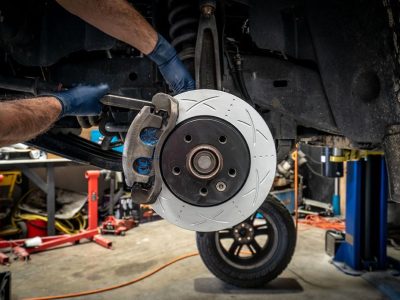
- Brake Inspections: Regularly check brake pads, discs, and fluid. Timely replacement prevents accidents and costly repairs.
- Battery Maintenance: Inspect battery terminals and keep them clean. Replace aging batteries to avoid unexpected breakdowns.
- Seasonal Checkups: Prepare for extreme weather by inspecting coolant levels, wipers, and heating/cooling systems.
Trends Shaping the Future of the Auto Industry
The future of the auto industry is driven by sustainability, technology, and urban mobility solutions:
- Electrification: By 2030, EV adoption is expected to grow exponentially. Advances in battery tech and charging infrastructure will support this transition.
- Autonomous Vehicles: Self-driving cars may redefine urban transportation, reduce congestion, and enhance safety.
- Shared Mobility: Ride-sharing, carpooling, and subscription models offer alternatives to traditional ownership, especially in cities.
- Artificial Intelligence: AI improves vehicle diagnostics, predictive maintenance, and driver-assist technologies.
- Urban Planning and Smart Cities: Integration of connected vehicles with city infrastructure enhances traffic management and reduces environmental impact.
Environmental Impact and Sustainability
The automotive sector significantly contributes to carbon emissions, prompting a shift toward greener solutions. Initiatives include:
- Manufacturing with recycled and lightweight materials to reduce energy consumption.
- Promoting EVs and hybrids to cut greenhouse gases.
- Developing biofuels and hydrogen-powered vehicles as alternative energy sources.
- Encouraging carpooling, public transport integration, and urban mobility planning to reduce vehicle dependency.
Choosing Between New and Used Vehicles
Deciding between a new or pre-owned car depends on budget, preferences, and expected usage:
- New Vehicles: Come with warranties, latest technology, and full customization options. Ideal for tech enthusiasts and those seeking long-term reliability.
- Used Vehicles: Cost-effective, slower depreciation, and a wide selection of older models. Ideal for budget-conscious buyers or those looking for specific models no longer in production.
Auto Insurance and Legal Considerations
Insurance is a crucial part of vehicle ownership. Key points include:
- Types of Coverage: Comprehensive, third-party liability, and collision insurance protect against different risks.
- Premium Factors: Age, driving experience, vehicle type, and location impact insurance premiums.
- Legal Compliance: Ensure vehicle registration, emissions compliance, and roadworthiness certification are up to date to avoid penalties.
- Road Safety Laws: Familiarity with traffic rules, speed limits, and regional regulations ensures legal and safe driving practices.
The Auto Industry and Investment Opportunities
The automotive sector is not only about vehicles—it also offers lucrative investment opportunities:
- Stock Investments: Investing in major automakers or EV startups can yield returns as the industry grows.
- Auto Parts and Aftermarket: Parts suppliers, service centers, and aftermarket accessories provide steady revenue streams.
- Technology Ventures: Startups in AI, autonomous driving, battery tech, and EV charging infrastructure attract significant venture capital.
Conclusion
The auto industry is in a transformative era, blending traditional manufacturing expertise with cutting-edge technology, sustainability, and urban mobility solutions. Understanding the types of vehicles, innovations, and market trends is essential for consumers, investors, and industry professionals. Whether you are buying your first car, investing in an automotive venture, or exploring eco-friendly alternatives, staying informed will help you make smarter choices.
Frequently Asked Questions (FAQs)
1. What are the most fuel-efficient types of vehicles today?
Electric vehicles and hybrid cars offer the highest fuel efficiency, while compact sedans and hatchbacks provide optimal mileage among traditional fuel-powered vehicles.
2. How can I extend the lifespan of my car?
Regular maintenance, timely oil changes, brake inspections, proper tire care, and battery checks are essential for longevity. Driving habits, such as avoiding aggressive acceleration, also play a role.
3. Are electric vehicles worth the investment?
EVs often have higher upfront costs but lower running costs and environmental impact. Incentives, reduced fuel expenses, and minimal maintenance make them increasingly worthwhile.
4. What safety features should I prioritize when buying a car?
Focus on automatic emergency braking, lane-keeping assist, blind-spot monitoring, adaptive headlights, and airbags. Modern vehicles often bundle these in standard or optional safety packages.
5. Should I buy a new or used car?
New cars provide the latest technology, warranties, and customization options. Used cars are more affordable, depreciate slower, and can offer unique older models. Your choice depends on budget, usage, and preferences.
6. How is the auto industry adapting to environmental challenges?
Automakers are producing electric and hybrid vehicles, using sustainable materials, improving fuel efficiency, and developing alternative energy sources like hydrogen and biofuels.
7. What trends will shape the future of autos?
Electrification, autonomous driving, AI integration, shared mobility, and smart city infrastructure are driving the future of the automotive sector. Consumers and investors should monitor these trends closely.







Comments