
 By
By 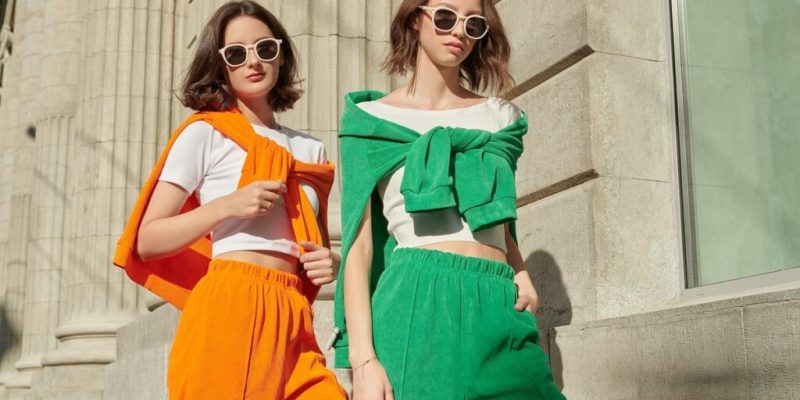
Introduction
Fashion is more than just clothing—it is a statement, a lifestyle, and an ever-evolving form of self-expression. From runway shows in Paris and Milan to street style movements in Tokyo and New York, fashion has the power to shape culture, influence identity, and inspire creativity. Understanding fashion requires examining trends, materials, designers, and cultural influences that drive the global industry. In 2025, fashion continues to embrace inclusivity, sustainability, and innovation, making it a dynamic field where personal style meets global consciousness.
The Evolution of Fashion
Fashion has a rich history that mirrors the social, political, and economic changes of society. Each era introduced unique styles that reflected the mindset of the time:
1. Early Fashion Influences
- Ancient civilizations like Egypt and Greece set the foundation for textile use, with linen and wool forming basic garments.
- Clothing indicated social status, wealth, and profession. Ornamental designs, jewelry, and color choices held symbolic meanings.
2. Renaissance to 19th Century
- The Renaissance brought elaborate clothing, with luxurious fabrics like silk and velvet dominating aristocratic wardrobes.
- Industrialization in the 18th and 19th centuries revolutionized production, making clothing more accessible to the middle class.
3. 20th Century and the Rise of Modern Fashion
- Fashion evolved rapidly in the 1900s with designers like Coco Chanel and Christian Dior shaping contemporary aesthetics.
- The century witnessed trends ranging from flapper dresses of the 1920s to punk and streetwear movements in the late 20th century.
Key Elements of Fashion
1. Clothing and Apparel
Clothing is the most visible aspect of fashion. Designers focus on fabric, cut, fit, and color to create distinctive pieces that reflect current trends. From tailored suits to casual athleisure, clothing combines functionality with artistic expression.
2. Accessories and Footwear
Accessories, including handbags, belts, hats, and jewelry, enhance and complete an outfit. Footwear plays a crucial role, often setting the tone for a look. In 2025, sneakers and sustainable materials are particularly influential in fashion circles.
3. Fabrics and Materials
Innovative materials are shaping fashion like never before. Eco-friendly fabrics such as organic cotton, recycled polyester, and vegan leather are trending, aligning fashion with sustainability goals. High-tech textiles that regulate temperature or adapt to body movements are also emerging as future staples.
4. Colors and Patterns
Color palettes and patterns often define fashion seasons. Vibrant hues and bold prints dominate spring and summer collections, while muted tones and earthy shades take center stage in autumn and winter. Pattern mixing, tie-dye, and geometric designs are increasingly popular among younger audiences.
Fashion Trends in 2025
1. Sustainability and Ethical Fashion
Sustainable fashion has shifted from a niche market to a central industry concern. Consumers now prioritize eco-conscious brands, recycling programs, and upcycled materials. Ethical fashion also focuses on fair wages, safe working conditions, and reducing carbon footprints across supply chains.
2. Gender-Neutral and Inclusive Styles
The lines between men’s and women’s fashion are blurring. Gender-neutral clothing, adaptive designs, and inclusive sizing are redefining how people dress and express themselves. Brands increasingly highlight diversity and accessibility on runways and marketing campaigns.
3. Digital Fashion and Technology
Digital fashion is transforming how people interact with clothing. Virtual wardrobes, augmented reality try-ons, and fashion NFTs offer immersive experiences that blend technology and style. AI-powered design tools are also helping brands predict trends and customize products for consumers.
4. Vintage Revival and Retro Styles
Nostalgia plays a big role in current fashion trends. 70s-inspired bell-bottoms, 90s oversized jackets, and early 2000s Y2K aesthetics are making a comeback. Thrifted and upcycled clothing adds a sustainable twist to these retro trends.
5. Streetwear and Casual Luxury
Streetwear continues to dominate, blending comfort with high-fashion elements. Collaborations between luxury brands and streetwear labels have elevated the category, creating limited-edition collections that appeal to younger, trend-conscious buyers.
How Fashion Influences Culture and Society
1. Identity and Self-Expression
Fashion allows individuals to communicate personality, beliefs, and values without words. Clothing choices reflect mood, creativity, and social alignment, making fashion a personal language.
2. Media and Celebrity Impact
Celebrities, influencers, and social media platforms have transformed fashion marketing. Instagram, TikTok, and YouTube allow trends to spread globally within days, influencing purchasing behavior and popular culture.
3. Economic and Industry Impacts
Fashion contributes significantly to the global economy, generating employment, trade, and investment opportunities. Major fashion weeks, online marketplaces, and retail innovations create a thriving industry that intersects with art, media, and technology.
Fashion Tips for Modern Wardrobes
1. Building a Capsule Wardrobe
- Select versatile, timeless pieces that can mix and match.
- Focus on quality over quantity to reduce waste and improve longevity.
2. Experimenting with Textures and Layers
- Layering adds depth and dimension to outfits.
- Mixing textures like denim, silk, and leather creates visual interest.
3. Accessorizing Thoughtfully
- Statement jewelry, scarves, and belts can transform simple outfits into standout ensembles.
- Avoid over-accessorizing to maintain balance and elegance.
4. Staying Informed on Trends
- Follow fashion weeks, trend reports, and social media influencers to stay updated.
- Adapt trends to personal style rather than following blindly.
5. Prioritizing Comfort and Functionality
- Athleisure, adaptive clothing, and ergonomic footwear blend fashion with comfort.
- Investing in pieces that serve multiple functions increases wardrobe utility.
The Future of Fashion
The future of fashion is poised to embrace innovation, sustainability, and personalization. 3D printing, smart textiles, and AI-driven design will reshape production methods. Consumer awareness around ethical practices and environmental impact will guide brand strategies. Additionally, fashion will continue to celebrate diversity, inclusivity, and self-expression, making it both a creative and socially responsible industry.
FAQs About Fashion
1. What are the top fashion trends in 2025?
In 2025, sustainable materials, gender-neutral designs, digital fashion, retro styles, and streetwear luxury dominate the industry. Consumers seek versatile, eco-friendly, and inclusive clothing options.
2. How can I develop my personal fashion style?
Start by exploring your favorite colors, silhouettes, and fabrics. Mix classic pieces with trend-driven items, and use accessories to showcase individuality. Observing influencers and fashion magazines can provide inspiration while maintaining authenticity.
3. Why is sustainable fashion important?
Sustainable fashion reduces environmental impact, promotes ethical labor practices, and encourages responsible consumer behavior. It ensures the fashion industry operates with accountability toward people and the planet.
4. How does fashion impact culture?
Fashion influences culture by shaping identity, social norms, and aesthetic preferences. It serves as a reflection of societal values, historical events, and global trends, making it a dynamic cultural force.
5. What is digital fashion and why is it gaining popularity?
Digital fashion involves virtual clothing, augmented reality try-ons, and fashion NFTs. It allows consumers to experiment with styles without physical production, reducing waste and offering unique, tech-driven experiences.
6. How do fashion weeks influence global trends?
Fashion weeks in Paris, Milan, New York, and London showcase designer collections, setting seasonal trends. They influence retail decisions, marketing campaigns, and consumer preferences worldwide.
7. Can fashion be both stylish and comfortable?
Yes. Modern fashion embraces functional design with stylish elements. Athleisure, adaptive clothing, ergonomic footwear, and versatile layering demonstrate that comfort and aesthetics can coexist seamlessly.
Fashion is not just about clothing—it is a celebration of creativity, innovation, and self-expression. By understanding trends, embracing sustainability, and adapting to cultural shifts, individuals can curate wardrobes that are both stylish and meaningful. The evolution of fashion will continue to reflect societal change, technological innovation, and global creativity, making it an endlessly fascinating industry.









Comments