
 By
By 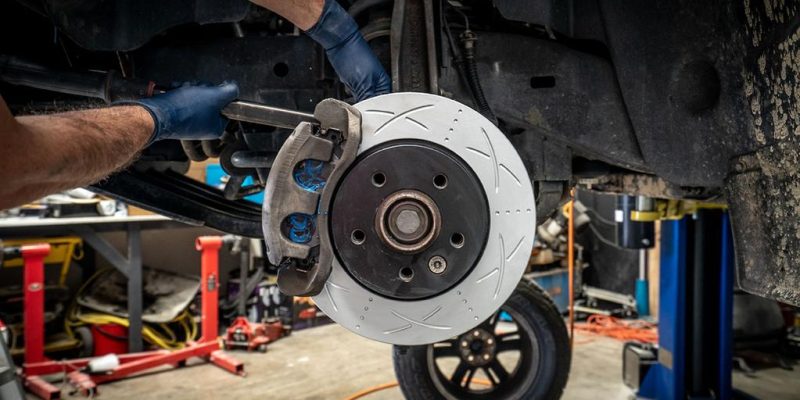
Unlocking the full potential of your vehicle is a goal shared by daily commuters, road-trip enthusiasts, and track racers alike. Many drivers assume that meaningful performance gains require complete engine rebuilds, illegal modifications, or spending thousands of dollars at specialized tuning shops. In reality, modern automotive performance encompasses far more than raw, straight-line horsepower.
True vehicle performance represents a harmonious balance of engine responsiveness, sharp handling, reliable braking, optimal fuel efficiency, and structural safety. By implementing smart, strategic upgrades and maintaining a disciplined maintenance regimen, you can transform the driving dynamics of your car without draining your bank account or compromising everyday reliability. This comprehensive guide outlines the most effective, fact-based methods to enhance your car overall capabilities.
Optimizing Engine Breathing: Intake and Exhaust Dynamics
An internal combustion engine functions essentially as a giant air pump. The more efficiently an engine can inhale cool, oxygen-rich air and expel spent combustion exhaust gases, the more power it can generate with less internal mechanical strain.
Upgrading your vehicle breathing system is often the first and most cost-effective step toward unlocking extra power and throttle responsiveness.
-
Install a High-Flow Air Filter or Cold Air Intake: Factory air intake systems are often designed to minimize engine noise rather than maximize airflow. A quality aftermarket cold air intake relocates the filter outside the hot engine bay, drawing in denser, colder air. Cooler air contains higher concentrations of oxygen, which translates into more efficient combustion and improved throttle response.
-
Upgrade to a Performance Exhaust System: Factory exhaust systems often contain restrictive piping, tight bends, and dense resonators that create high backpressure. Installing a mandrel-bent cat-back exhaust system reduces restriction, allowing exhaust gases to escape rapidly. This reduction in backpressure frees up horsepower and enhances engine acoustics.
-
Keep the Throttle Body and Mass Air Flow Sensor Clean: Over time, carbon deposits, oil vapor, and road grime accumulate on the throttle plate and sensitive mass air flow sensor wires. Cleaning these components with specialized aerosol cleaners restores precise air measurement and instantaneous throttle response.
Engine Control Unit Tuning and Software Calibration
Modern automobiles rely heavily on digital engine management systems. The factory parameters embedded in your car Engine Control Unit (ECU) are typically conservative, configured to accommodate poor-quality fuel, extreme neglected maintenance, and varying global emission standards.
An ECU tune or performance remapping recalibrates these factory settings to unlock hidden performance potential.
-
Optimized Air-to-Fuel Ratios: Tuning software adjusts the fuel delivery maps across the entire engine speed band, ensuring the combustion chambers receive the ideal stoichiometric mixture for power and efficiency.
-
Ignition Timing Advance: Adjusting spark timing allows the air-fuel mixture to ignite at the exact millisecond required to produce maximum cylinder pressure during the power stroke.
-
Turbocharger and Supercharger Boost Control: For vehicles equipped with forced induction, an ECU tune can safely increase boost pressure levels, delivering significant gains in torque and horsepower without altering physical engine hardware.
When pursuing software tuning, always ensure you use high-octane fuel to prevent engine knock and partner with reputable tuners who prioritize engine safety and long-term durability.
Upgrading Tires, Wheels, and Unsprung Weight
Tires are the single most critical performance component on any automobile. They represent the only four contact patches connecting your vehicle to the roadway. Regardless of how much horsepower your engine generates, that power is useless if your tires cannot transmit traction to the asphalt.
Upgrading your wheel and tire package delivers immediate, noticeable improvements in acceleration, cornering grip, and braking distances.
Choosing the Right Performance Rubber
All-season factory tires are designed as compromises, balancing tread life, snow traction, and road noise. Switching to dedicated summer performance tires or ultra-high-performance all-season tires provides stiffer sidewalls, advanced rubber compounds, and tread designs engineered specifically for lateral grip and high-speed stability.
Reducing Unsprung and Rotational Mass
Unsprung weight refers to the mass of vehicle components not supported by the suspension springs, including wheels, tires, brake assemblies, and wheel hubs.
-
Lightweight Alloy or Forged Wheels: Replacing heavy, factory steel or cast alloy wheels with lightweight flow-formed or forged wheels significantly reduces unsprung mass.
-
Faster Acceleration and Deceleration: Less rotational inertia means the engine expends less energy spinning the wheels up to speed, and the brakes require less force to bring them to a halt.
-
Improved Suspension Articulation: Lighter wheel setups allow dampers and springs to react faster to bumps and road imperfections, keeping the tire firmly planted on the tarmac.
Enhancing Suspension Dynamics for Precision Handling
A car that accelerates quickly in a straight line but rolls excessively in corners provides an uninspiring and disconnected driving experience. Upgrading suspension components sharpens steering responsiveness, reduces body roll, and keeps the chassis composed during dynamic weight transfers.
-
Stiffer Sway Bars (Anti-Roll Bars): Installing thicker aftermarket sway bars is one of the most effective ways to reduce body lean during hard cornering without ruining daily ride comfort.
-
Performance Springs and Dampers: Matched sets of sport lowering springs and performance shock absorbers lower the vehicle center of gravity, reduce chassis pitch during heavy braking, and eliminate rear-end squat during rapid acceleration.
-
Strut Tower and Chassis Braces: Fastening a rigid brace across the front strut towers prevents chassis flex during aggressive cornering, resulting in more direct, communicative steering feel.
-
Polyurethane Suspension Bushings: Replacing soft, deteriorating factory rubber bushings with durable polyurethane variants eliminates suspension slop and maintains proper wheel alignment under heavy cornering loads.
Maximizing Braking Capability and Thermal Resistance
True driving performance is incomplete without the ability to stop consistently and quickly. High-speed driving and aggressive cornering generate immense heat within the braking system, leading to brake fade and extended stopping distances if the hardware is inadequate.
Upgrading your braking components provides the thermal capacity and pedal feel required for spirited driving.
-
High-Performance Brake Pads: Switch to ceramic-metallic or semi-metallic performance brake pads designed to operate at elevated temperatures without glazing or fading.
-
Slotted Brake Rotors: Slotted rotors help expel outgassed vapors, water, and brake dust from between the pad and rotor surface, maintaining consistent friction during repeated hard stops.
-
Stainless Steel Braided Brake Lines: Factory rubber brake hoses expand under heavy hydraulic pressure, causing a soft, spongy brake pedal. Stainless steel braided lines eliminate hose expansion, providing firm pedal resistance and precise modulation.
-
High-Boiling-Point Brake Fluid: Upgrading to DOT 4 or DOT 5.1 brake fluid with higher wet and dry boiling points prevents fluid vaporization during aggressive use.
Essential Preventative Maintenance for Peak Output
You cannot build lasting performance on top of deferred maintenance. Even the highest-grade performance parts will fail to deliver results if baseline mechanical maintenance is neglected.
-
Utilize Premium Synthetic Lubricants: Full synthetic motor oils and high-grade synthetic gear lubricants reduce internal friction, withstand thermal breakdown, and protect vital engine components under heavy load.
-
Replace Spark Plugs and Ignition Coils: Worn spark plugs with eroded electrodes lead to weak spark propagation, misfires, and unburnt fuel. Installing fresh iridium or platinum spark plugs restores crisp combustion.
-
Maintain Correct Fluid Levels and Cooling Health: Regularly flush your engine cooling system, service transmission fluids, and ensure your radiator and intercooler fins remain free of road debris to prevent heat soak.
Frequently Asked Questions
Will installing a cold air intake void my vehicle manufacturer warranty?
In the United States, the Magnuson-Moss Warranty Act protects consumers from having warranties automatically voided due to aftermarket parts. A manufacturer or dealership must prove that the specific aftermarket component directly caused the failure in question before denying warranty coverage. However, choosing parts with clear regulatory compliance ensures maximum protection during dealership service visits.
How does reducing excess vehicle weight improve overall car performance?
Weight is the enemy of performance. Shedding unnecessary mass, such as removing heavy trunk cargo, unused spare tires, or heavy factory components, improves every single metric of vehicle dynamics. A lighter car accelerates faster, changes direction with greater agility, stops in shorter distances, and consumes less fuel because the powertrain and braking systems work against less physical inertia.
What is heat soak and how does it reduce engine power during spirited driving?
Heat soak occurs when the engine bay, intake manifold, intercooler, and surrounding components absorb excessive thermal energy from prolonged aggressive driving or hot weather. Because hot air is significantly less dense than cold air, the intake delivers less oxygen into the cylinders. This prompts the engine control computer to pull back ignition timing and boost to prevent engine knock, resulting in a noticeable loss of horsepower.
Are drilled brake rotors better than slotted brake rotors for performance driving?
While cross-drilled rotors offer aesthetic appeal and initial weight reduction, they are prone to developing stress cracks around the drilled holes under intense thermal cycling. For spirited street and track driving, slotted rotors are generally preferred because they provide effective heat and gas dissipation without sacrificing the structural integrity of the rotor face.
Can using higher octane gasoline increase horsepower in a standard factory car?
Using high-octane fuel will only increase performance if your car engine is designed or tuned for it. Modern performance engines with high compression ratios or turbochargers detect high-octane fuel via knock sensors, allowing the computer to advance ignition timing for maximum output. However, in an economy car calibrated strictly for regular eighty-seven-octane fuel, premium gasoline provides no horsepower or efficiency benefit.
How often should high-performance brake fluid be flushed and replaced?
Standard brake fluid is typically changed every two to three years, but high-performance brake fluid should be replaced annually or before any intensive track events. High-performance fluids are highly hygroscopic, meaning they absorb atmospheric moisture quickly. Water contamination substantially lowers the fluid boiling point, increasing the risk of complete brake pedal loss during heavy use.
What is the difference between a bolt-on modification and an internal engine upgrade?
A bolt-on modification refers to external components that can be installed without disassembling the core engine block or cylinder heads, such as air intakes, exhaust headers, intercoolers, and sway bars. Internal engine upgrades involve opening the engine to replace internal mechanical components, such as forged pistons, performance camshafts, connecting rods, and upgraded valve springs to handle extreme power levels.








Comments